MOTIVATION OF A TEACHER AS A RESOURCE FOR FAMILY–SCHOOL INTERACTION IN THE MULTICULTURAL SPACE OF KYRGYZSTAN AND RUSSIA: A THEORETICAL REVIEW STUDY
DOI:
https://doi.org/10.5281/zenodo.23281734Keywords:
motivation in teaching, self-determination theory, family–school interaction, mentoring, psychological and pedagogical support, education in Kyrgyzstan, comparative pedagogy, generational continuity.Abstract
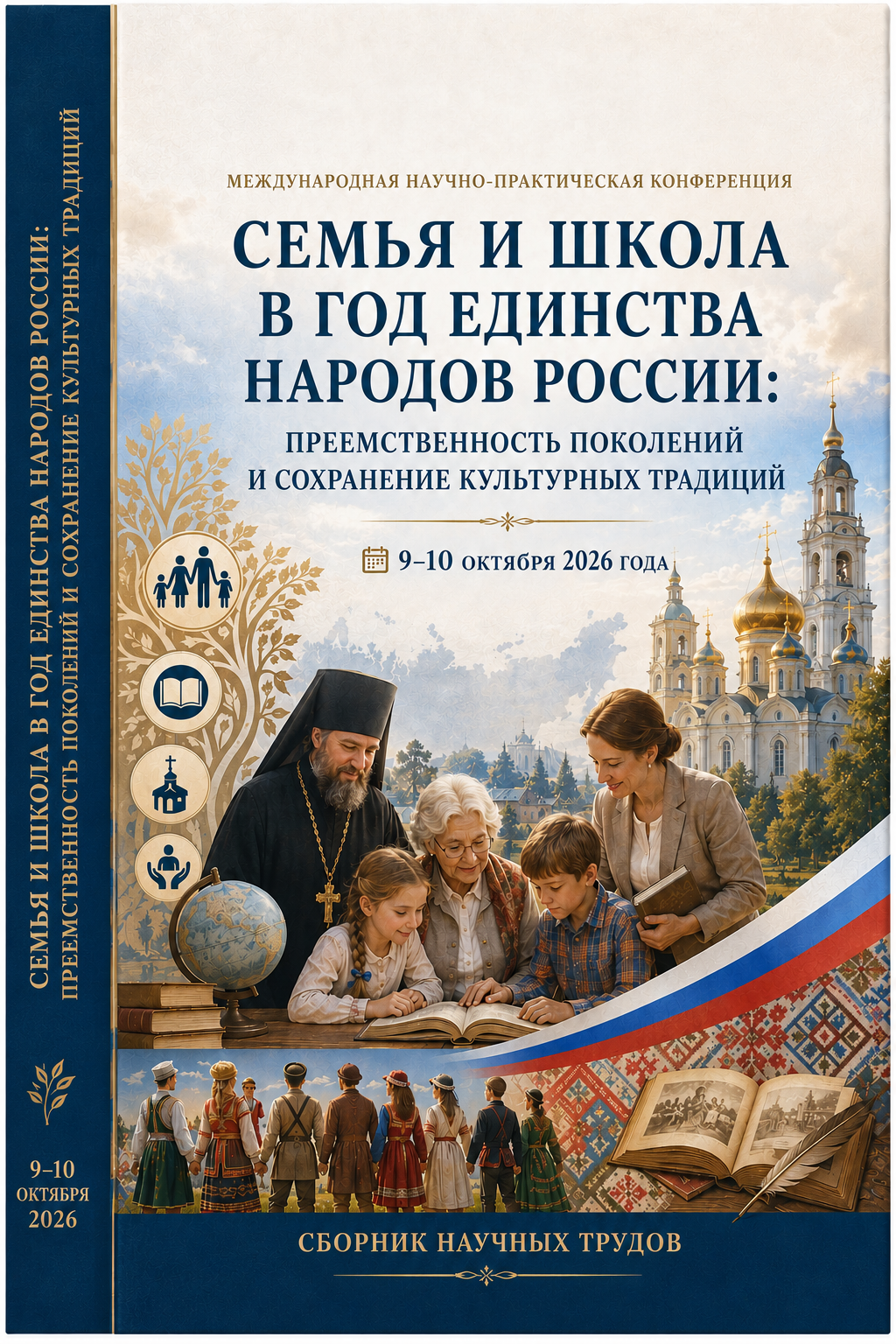
Based on a comparative analysis of educational practices in Kyrgyzstan and Russia, this article examines the psychological structure of motivation in teaching and its role in organising effective interaction between the family and the school. Teacher motivation is considered not only as a factor of effective family–school interaction, but also as a resource for preserving intergenerational continuity and transmitting cultural traditions in a multi-ethnic and multi-faith society. The theoretical framework is provided by E. Deci and R. Ryan’s theory of self-determination, which helps to explain why the fulfilment of teachers’ basic psychological needs (for autonomy, competence and relatedness) is a necessary condition for establishing a partnership with parents. Drawing on empirical research conducted in post-Soviet education systems, the study demonstrates that a lack of teachers’ psychological and communicative competences, coupled with a shortage of institutional support, act as universal barriers that undermine professional motivation. The work is theoretical and review-based and does not claim empirical verification of hypotheses. Particular attention is paid to analysing the Russian experience of implementing mentoring programmes and psychological and pedagogical support for teachers as potentially relevant models for the Kyrgyz education system. It is concluded that, in the context of the multi-ethnic and multi-faith societies of both countries, a motivated teacher with well-developed communication skills becomes a key agent in preserving intergenerational continuity and transmitting cultural traditions by fostering a dialogue based on trust between the family and the school.
Downloads
Published
Issue
Section
License
Copyright (c) 2026 Садирова Каралина Дамировна, Гареева Вилена Галимьяновна (Автор)

This work is licensed under a Creative Commons Attribution-NonCommercial 4.0 International License.